Course type · Online
Learning to Cook Online
Online classes are the cheapest, most flexible way to start. They are also the easiest to drift through without improving. Here is how to make screen time turn into kitchen skill an employer can see.
What online study does well
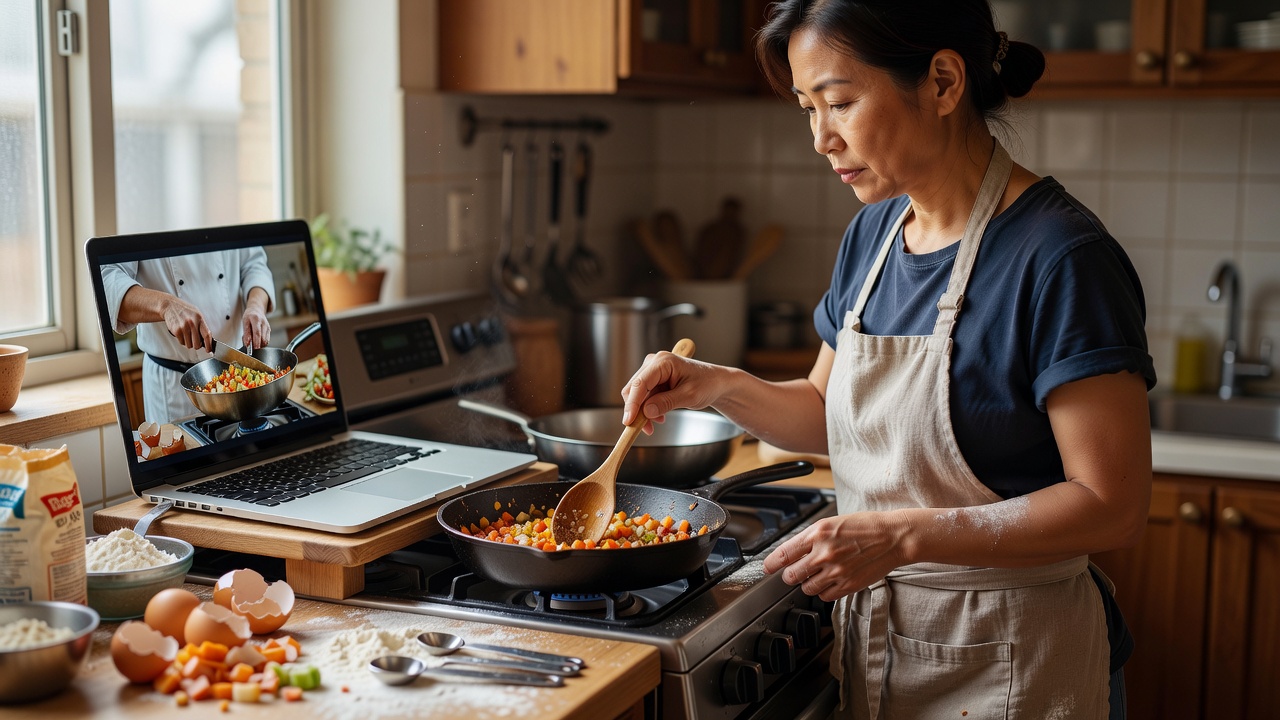
Theory travels perfectly through a screen. Food science, recipe ratios, menu costing, nutrition basics and food safety rules are all easy to learn online, often from the same instructors who teach in person. Many food safety certificates, including UK Level 2 Food Hygiene and ServSafe Food Handler, can be studied and completed online; ServSafe Manager exams can be taken with an online proctor.
Structured platforms exist too. Rouxbe offers online culinary instruction used by individuals and some institutions. America's Test Kitchen runs an online cooking school built on tested recipes, and MasterClass hosts courses led by well-known chefs. Some established schools, Le Cordon Bleu among them, also offer online programmes, mostly in areas such as gastronomy and hospitality.
What online study cannot do
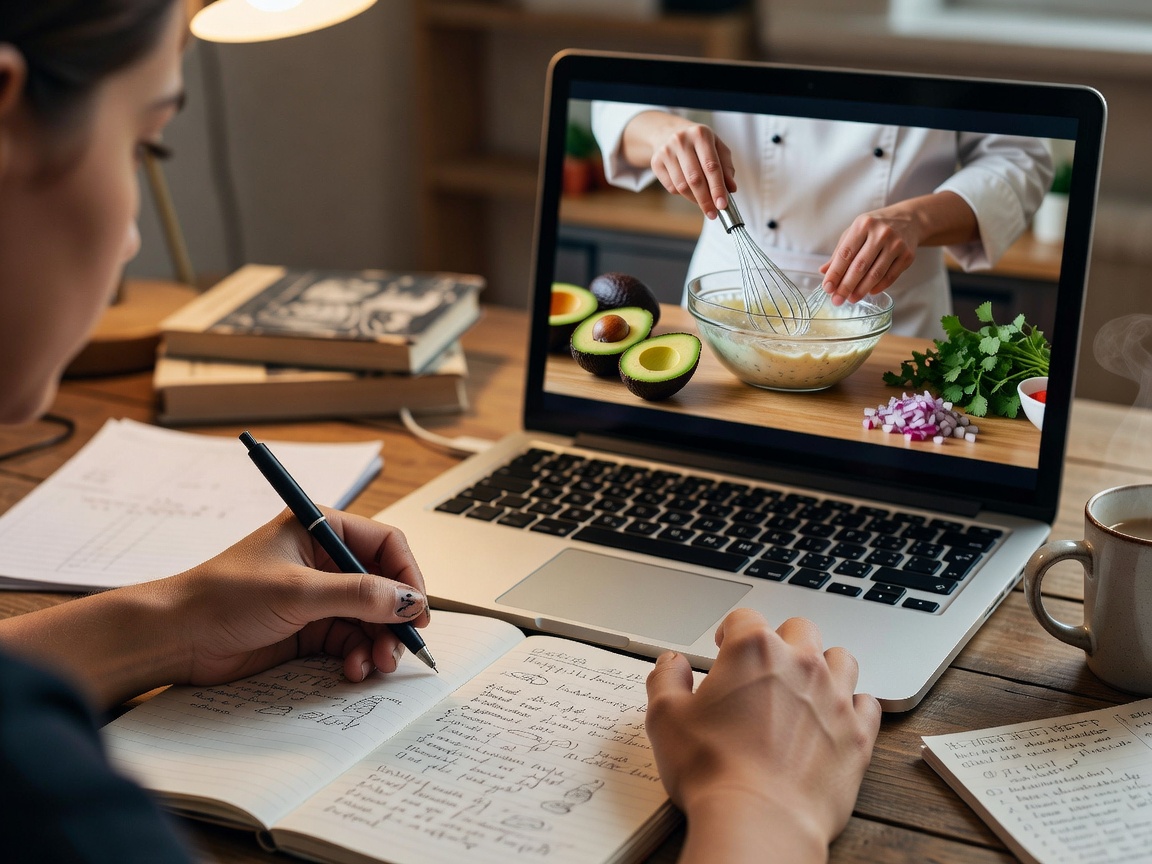
Be realistic: a video cannot taste your sauce, correct your knife grip or shout "two minutes on table six". Professional cooking is speed, heat control and calm under pressure, and those are learned beside other cooks.
That is why we rarely recommend an online course as a standalone route into a brigade. Head chefs will still ask for a trial shift, and that shift will judge your hands, not your watch history.
The strongest pattern we see is blended: online theory, a food safety certificate, then real hours, through a part-time kitchen job, a short hands-on course, or an apprenticeship.
Turning screen time into skill
- Cook each lesson five times. The first attempt follows; the fifth one is yours.
- Time yourself. Record how long it takes to dice an onion or break down a chicken, and track the improvement.
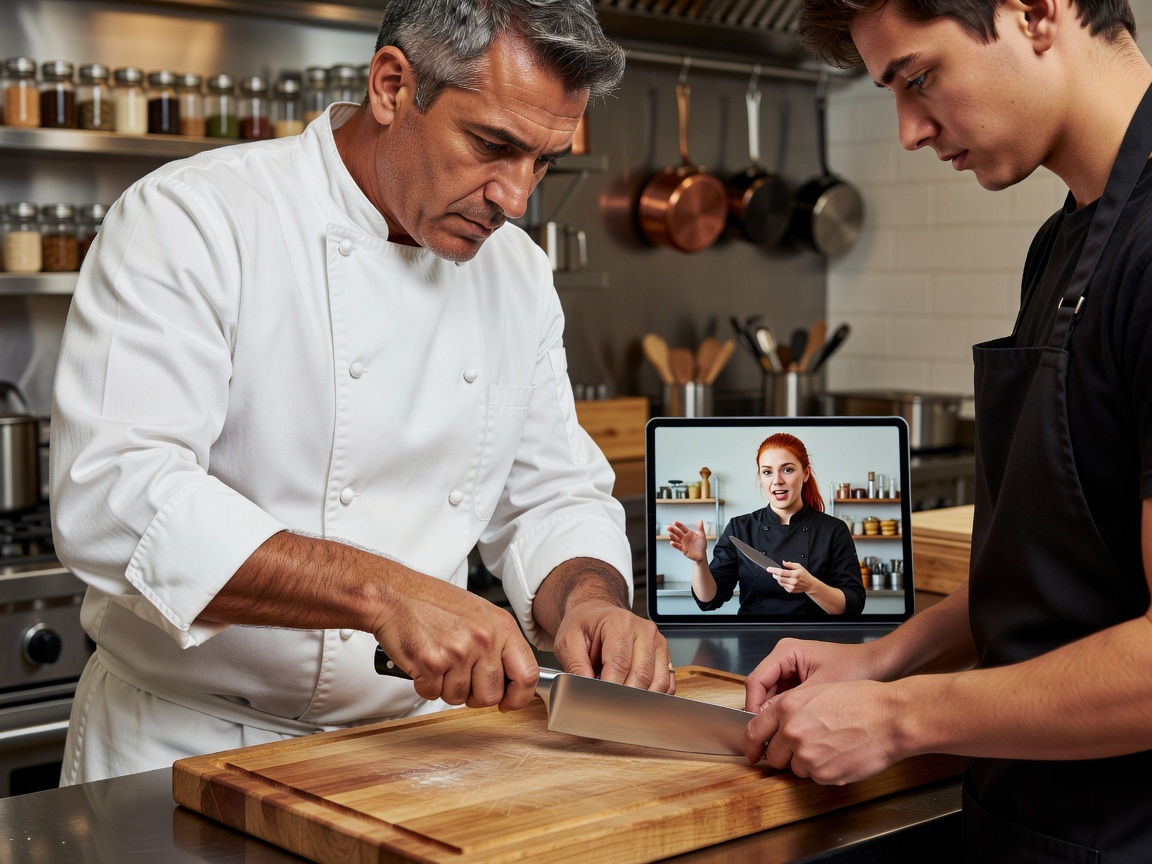
- Film your hands. Compare your technique with the instructor's side by side.
- Keep a kitchen log. Dish, date, what went wrong, what you changed. It becomes evidence for an interview.
- Cook for others. Feedback from people who are not being polite is priceless.
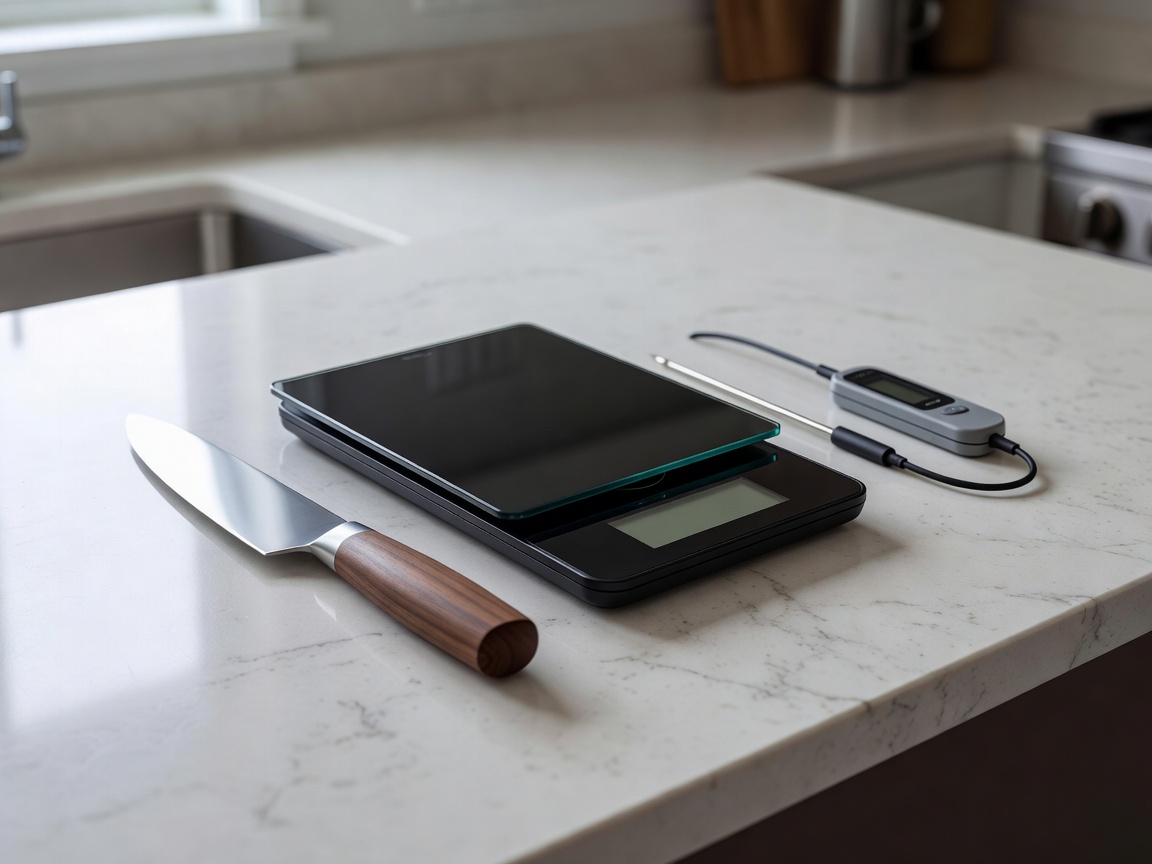
Basic equipment matters more than gadgets: a good chef's knife, a heavy chopping board, a digital probe thermometer, a digital scale and a heavy-based pan. That covers most professional fundamentals.
Before you pay for an online course
- Is there any feedback on your cooking, or only video?
- Does it end with a recognised certificate or just a completion badge?
- Can you see a full lesson before you subscribe?
- Does the syllabus cover fundamentals, not only show-stopper recipes?
Ready for hands-on training? Compare full-time diplomas and short courses, or ask an adviser to plan a blended route.