Course type · Full-time
Full-Time Culinary Diplomas
A full-time diploma is the most direct route from keen home cook to hireable commis chef, but only if it ends with real kitchen hours. Here is what these programmes teach, which jobs they open, and how to judge one before you pay a deposit.
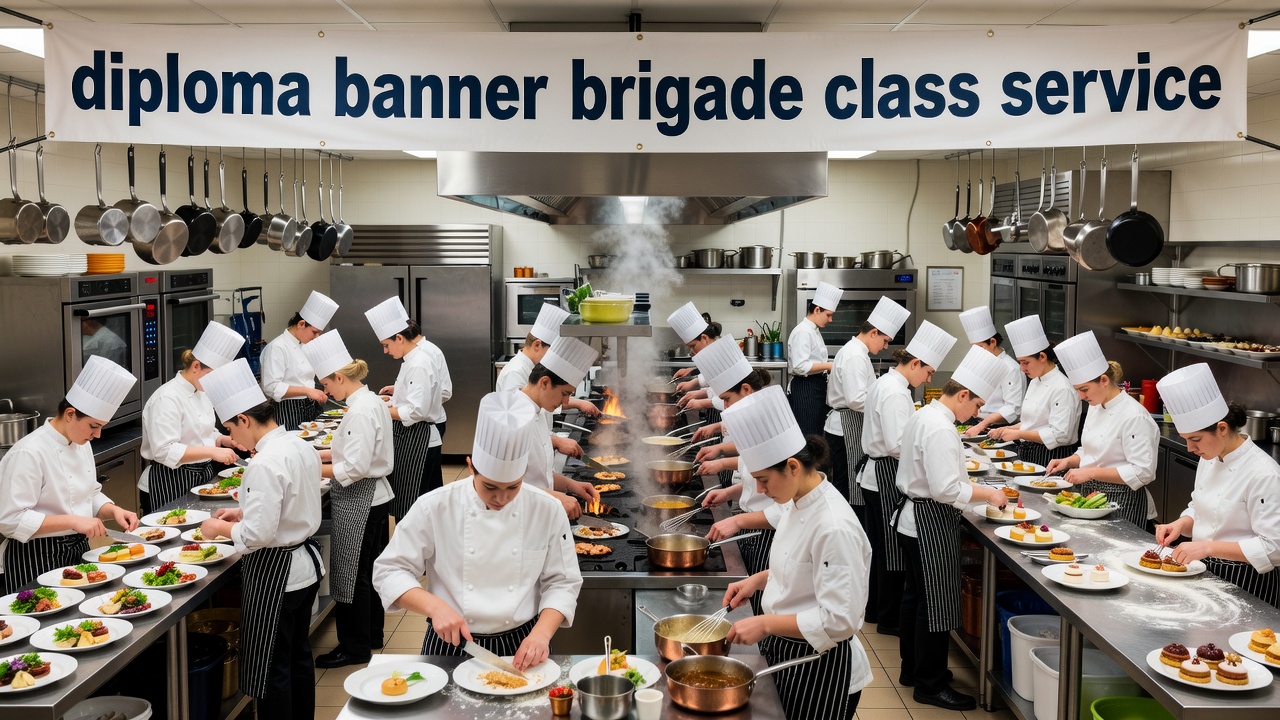
Which kitchen jobs actually ask for a diploma?
Straight answer first: no law requires a cook to hold a culinary diploma. Restaurants hire on trial shifts, speed, cleanliness and attitude. What a diploma changes is your starting line. Graduates of serious programmes usually enter as a commis chef or line cook with stocks, sauces, butchery and basic pastry already in their hands, which shortens the climb to chef de partie.
Hotel groups, cruise lines, contract caterers and some private-chef agencies are more likely to screen CVs for a recognised qualification. In the UK, many employers look for a Level 2 or Level 3 Diploma in Professional Cookery, often awarded by City & Guilds or similar bodies and taught at further education colleges such as Westminster Kingsway College in London.
- Commis chef or line cook: diploma helpful, food hygiene certificate expected.
- Hotel or banqueting pastry cook: a pastry diploma is frequently requested.
- Chef de partie: experience counts most; a diploma speeds the step up.
- Test kitchen or cookery teaching: a diploma or degree is commonly expected.
What the timetable looks like
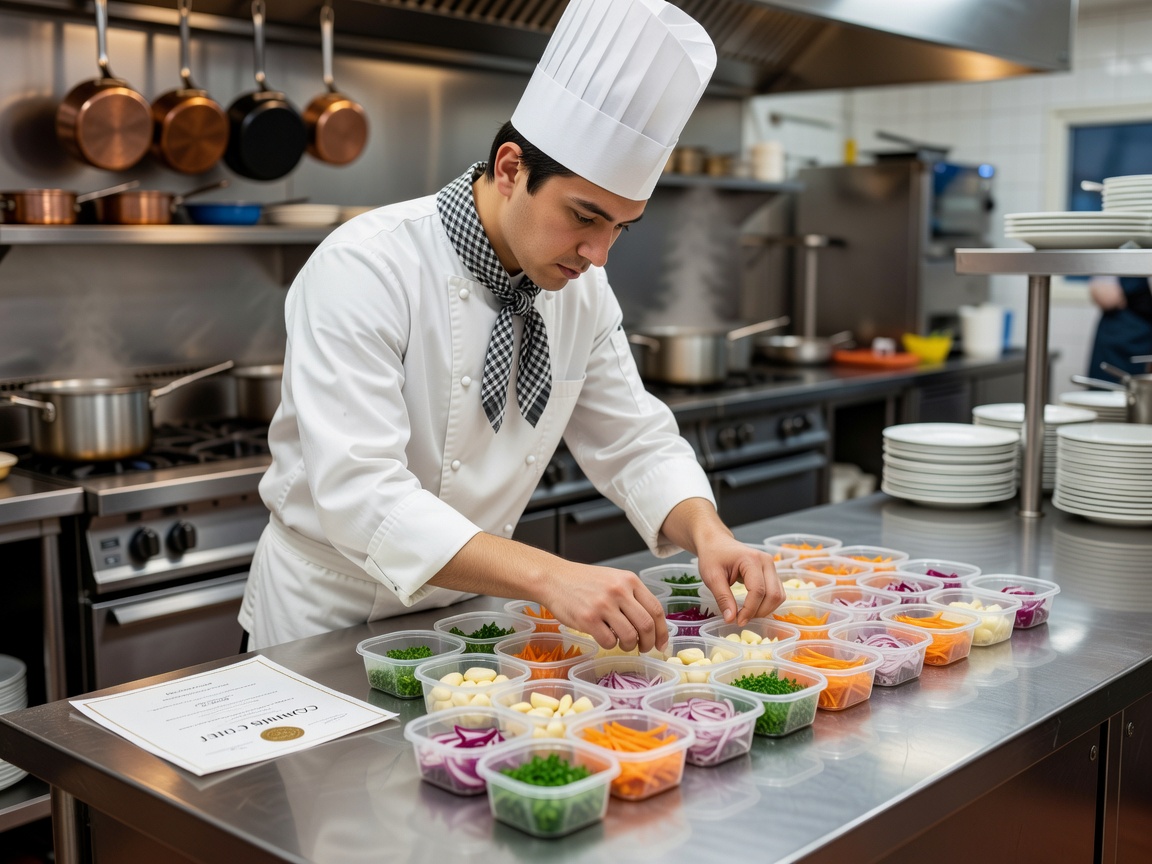
Most full-time programmes run from roughly six months to two years. Whatever the length, the core modules look familiar: knife skills and mise en place; stocks, the mother sauces and their derivatives; meat, poultry and fish fabrication; vegetables, grains and pulses; bread and pastry fundamentals; costing, menu planning and food safety.
Structures differ. Le Cordon Bleu splits its Diplôme de Cuisine into Basic, Intermediate and Superior certificates. The Institute of Culinary Education runs career diplomas in New York and Los Angeles that finish with an externship. The Culinary Institute of America in Hyde Park offers associate and bachelor's degrees. Ferrandi Paris runs intensive programmes taught in English, and the Basque Culinary Center in San Sebastián awards a university degree in Gastronomy and Culinary Arts.
Expect timed practical exams, written theory tests and long days on your feet. That is the point: a diploma should feel like a kitchen, not a lecture hall.

Apprenticeships: the paid alternative
If tuition fees are out of reach, an apprenticeship may open the same doors. In England, the Commis Chef apprenticeship (Level 2) and Chef de Partie apprenticeship (Level 3) combine paid work with off-the-job training and an end-point assessment. In the US, the American Culinary Federation has supported registered apprenticeship programmes that combine on-the-job hours with classroom study.
The trade-off is breadth. A diploma shows you a little of everything; an apprenticeship teaches you one kitchen's way deeply. Career switchers with savings often prefer the diploma; school leavers often prefer to earn while they learn.
Questions to ask on open day
Bring this list. A good admissions team will answer every point without hesitation.
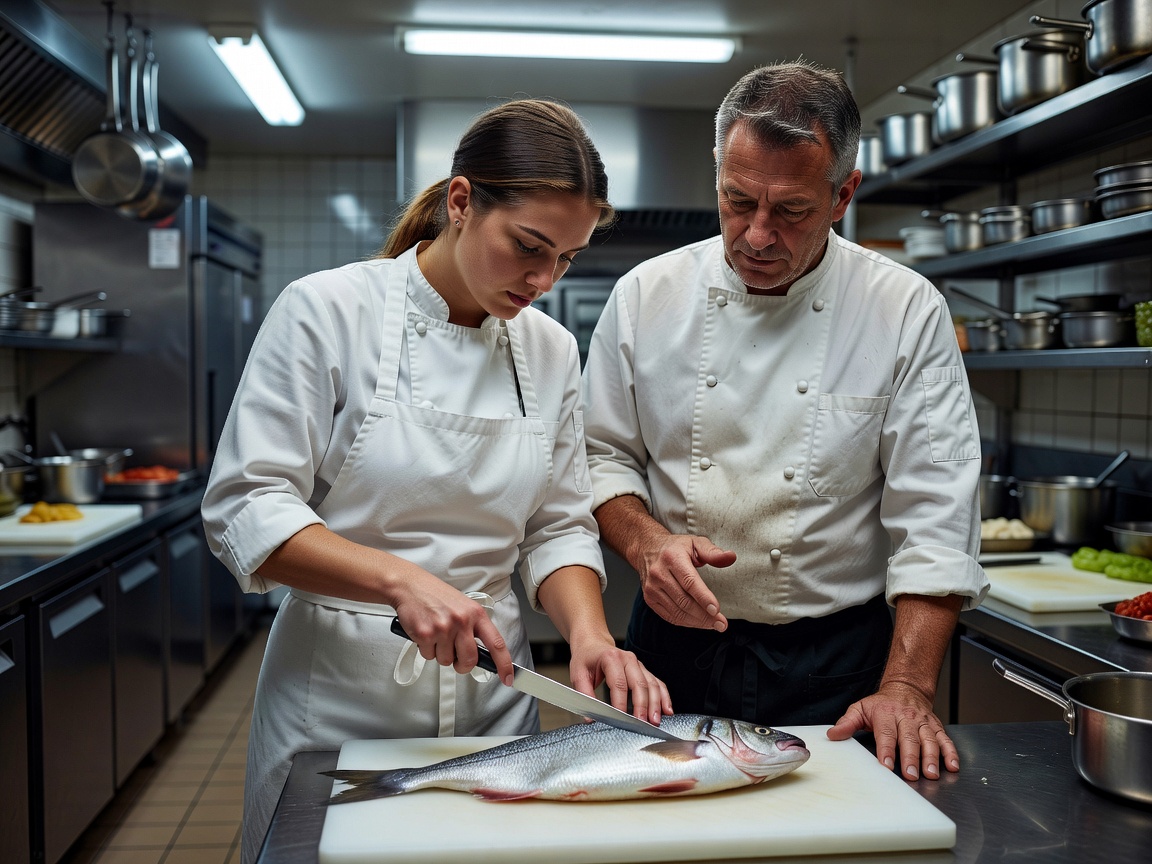
- How many students per instructor in practical classes?
- How many hours per week will I spend cooking versus in lectures?
- Where did last year's students complete externships?
- What is the full cost, including knives, uniforms, ingredients and housing?
- Which accreditation does the school hold, and do credits transfer?
- Is a food safety certificate included in the programme?
Realistic note: a diploma does not make you a chef. Repetition under pressure does. Choose the programme that gives you the most supervised repetition for your money. Next, check the certificates kitchens expect or ask an adviser.