Course type · Certificates
Food Safety Certificates Explained
If you only finish one course this month, make it a food safety certificate. It is the paperwork head chefs ask about first, it is quick to complete, and it shows you take the job seriously.
ServSafe in the United States
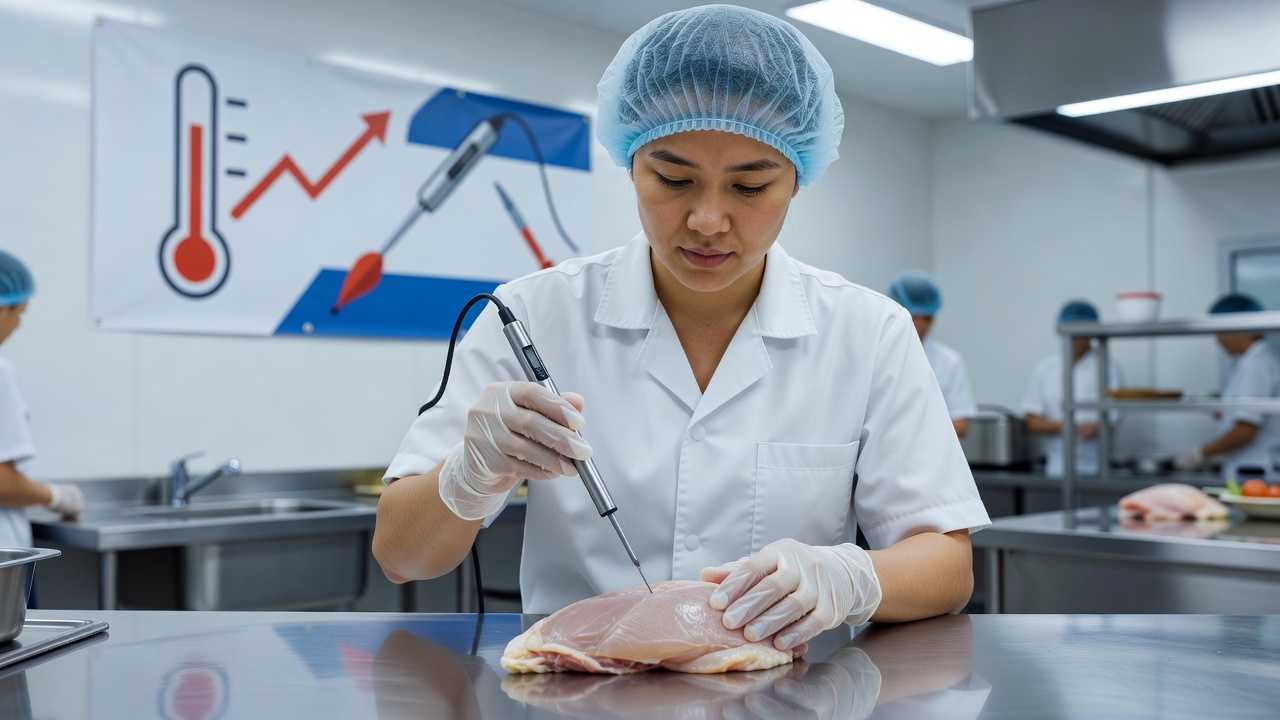
ServSafe is run by the National Restaurant Association. Two credentials matter most for job seekers. ServSafe Food Handler covers basic hygiene, time and temperature control, cross-contamination and cleaning; it suits new crew members and is accepted in many states and counties that require food handler training.
ServSafe Manager leads to Certified Food Protection Manager status. The FDA Food Code expects a person in charge who can demonstrate food safety knowledge, and many jurisdictions require at least one certified food protection manager per establishment. The manager exam is proctored, either in person or online. Rules vary by state and city, so always check your local health department.
US kitchens must also know the nine major allergens; sesame was added in 2023 under the FASTER Act.
UK Level 2 Food Hygiene
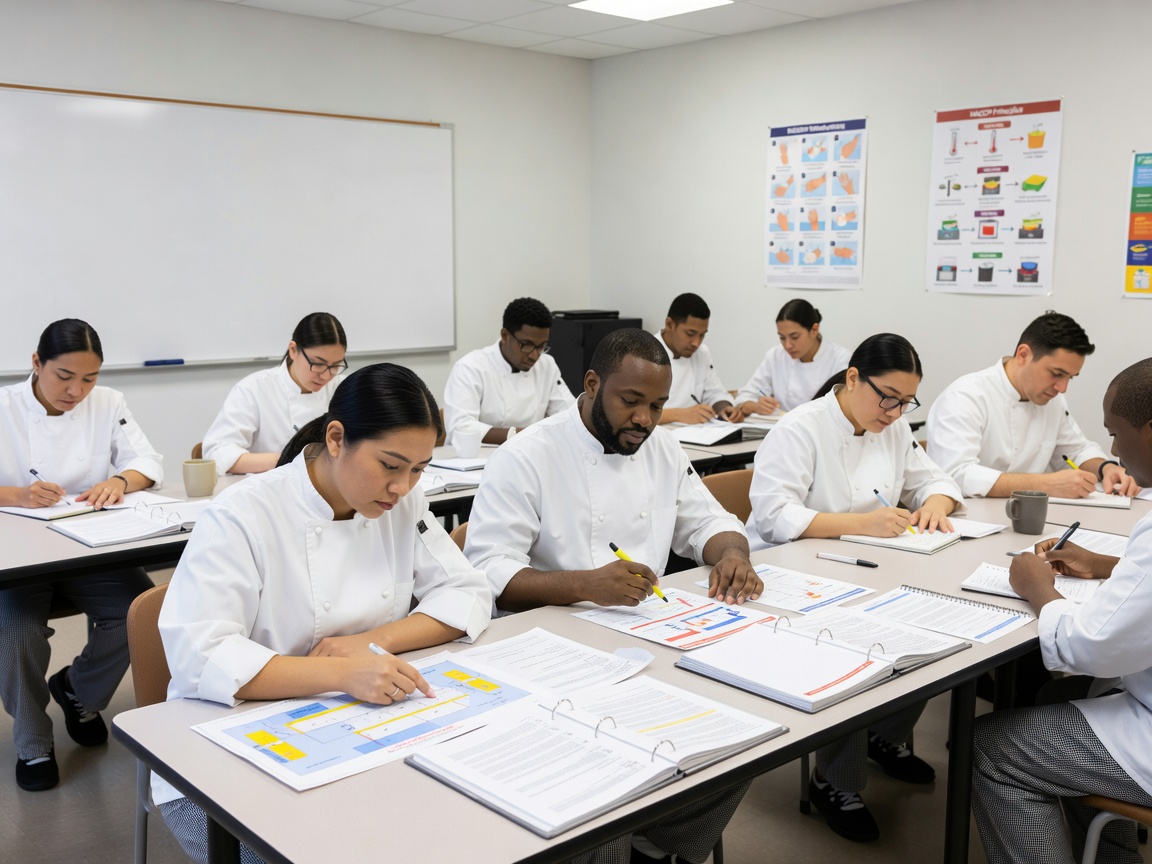
UK law requires food businesses to make sure food handlers are supervised and instructed or trained in food hygiene in line with their work. A certificate is not strictly compulsory, yet in practice the Level 2 Award in Food Safety and Hygiene for Catering is what employers and inspectors expect to see. It is widely available online in a few hours and through colleges and private trainers.
Supervisors and sous chefs often move on to Level 3. Many employers refresh Level 2 training roughly every three years as good practice.
Two more UK points shape kitchen jobs. Local authorities score premises under the Food Hygiene Rating Scheme from 0 to 5, so managers care deeply about training records. And allergen rules are strict: businesses must manage the 14 major allergens, and Natasha's Law, in force since October 2021, requires full ingredient labelling on food prepacked for direct sale.
HACCP: the system behind the paperwork
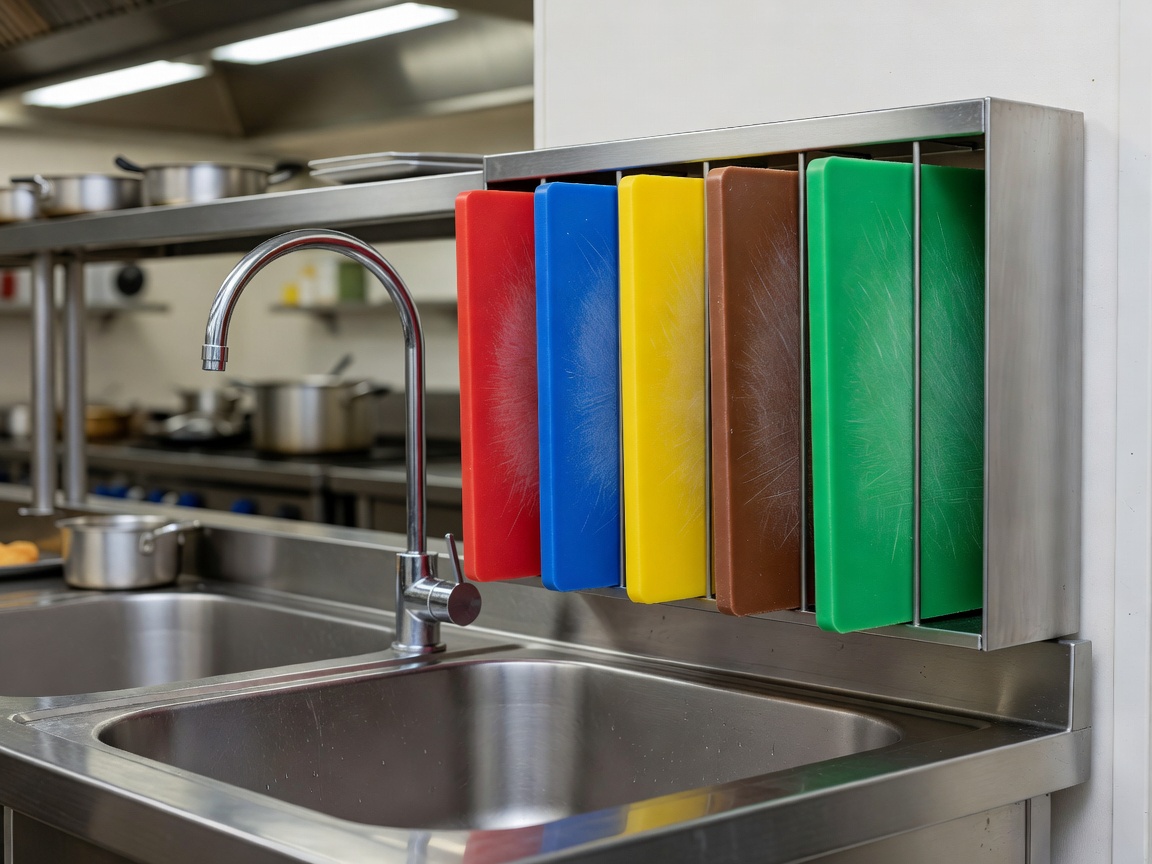
Hazard Analysis and Critical Control Points is a preventive system defined in the Codex Alimentarius. It underpins food safety plans worldwide and, in the UK, the Food Standards Agency's Safer Food, Better Business packs for small caterers. Its seven principles are:
- Conduct a hazard analysis.
- Determine the critical control points.
- Establish critical limits.
- Establish monitoring procedures.
- Establish corrective actions.
- Establish verification procedures.
- Establish documentation and record keeping.
Commis chefs need to follow a HACCP plan; chefs de partie, sous chefs and kitchen managers need to understand, write and review one. A Level 2 or Level 3 HACCP course is a strong signal when you apply for supervisory roles.

Which certificate for which job?
- Kitchen porter or new cook: food handler training (ServSafe Food Handler or UK Level 2).
- Commis to chef de partie: Level 2 plus allergen awareness training.
- Sous chef or supervisor: ServSafe Manager or UK Level 3, plus HACCP.
- Head chef or owner: manager-level certification and HACCP plan writing.
Many certificates can be studied online; see Learning to Cook Online. Unsure which applies where you live? Ask an adviser.